Olive cultivation in Illyria, modern-day Albania, dates back thousands of years. Archaeological research shows that cultivated olives (Olea europaea sativa) appeared on these slopes around 5,500 BC, while wild olive species were present much earlier.
Greek geographers as early as the 3rd century BC described Epirus and Illyria as lands “warm and fruitful, full of olives and vineyards”.
Romans agreed, Julius Caesar reportedly called Aulona (today’s Vlorë) a region rich in olive groves and important in trade.
In the lush terrain around ancient cities like Apollonia, Byllis, Amantia, and Kanina, archaeologists have uncovered oil mills dating from the 3rd to 5th centuries BC.
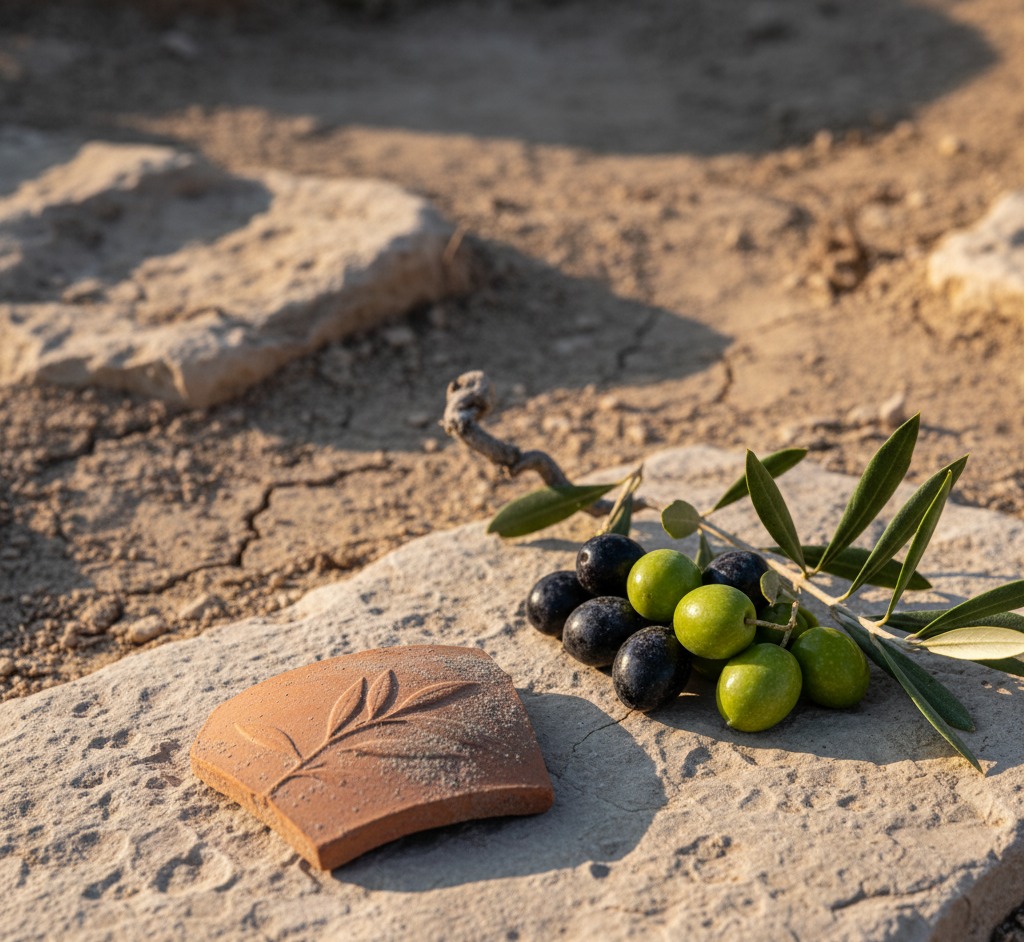
Amphora shards and oliveleaf decorations also appear in temples, shields, and pottery, all echoing a culture deeply tied to the olive.
Local tradition confirms it: today Albania is home to around 1.7 million olive trees, and about 10 percent may be close to 3,000 years old.
Beyond Food: Olives as Symbol, Fuel, and Law
For the Illyrians, olive oil was more than nourishment. It was a symbol of peace, blessing, and victory, olive crowns were awarded to heroes, and the tree figured prominently in rituals and folk art.
On the battlefield, soldiers relied on olives, oil, and bread for energy; dried olives quenched thirst when water was scarce.
In the mid-15th century, Scanderbeg codified tradition: couples were expected to plant ten olive trees before marriage as a sign of blessings and continuity
From classical texts to folk memory, olives have always been intertwined with Illyrian identity.
Why This Matters to Bregu Lofatave
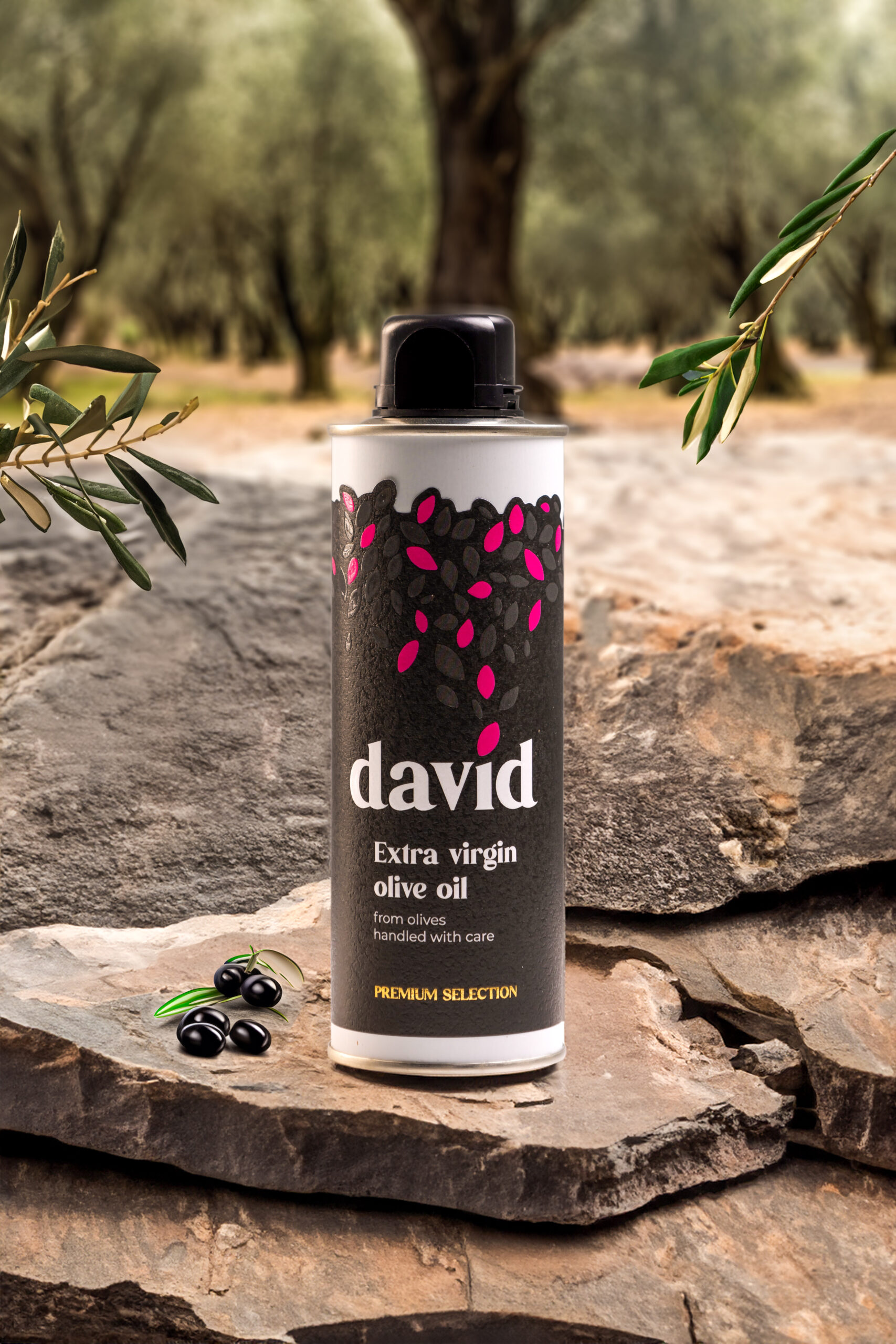
When you hold a bottle of Bregu Lofatave, you’re holding more than oil.
You’re holding the soil where trees have stood for thousands of years.
You’re tasting the same bitters, the same peppery finishes, the same sun and salt that nourished ancient groves.
Our olive trees are not new. They are heirs of history.
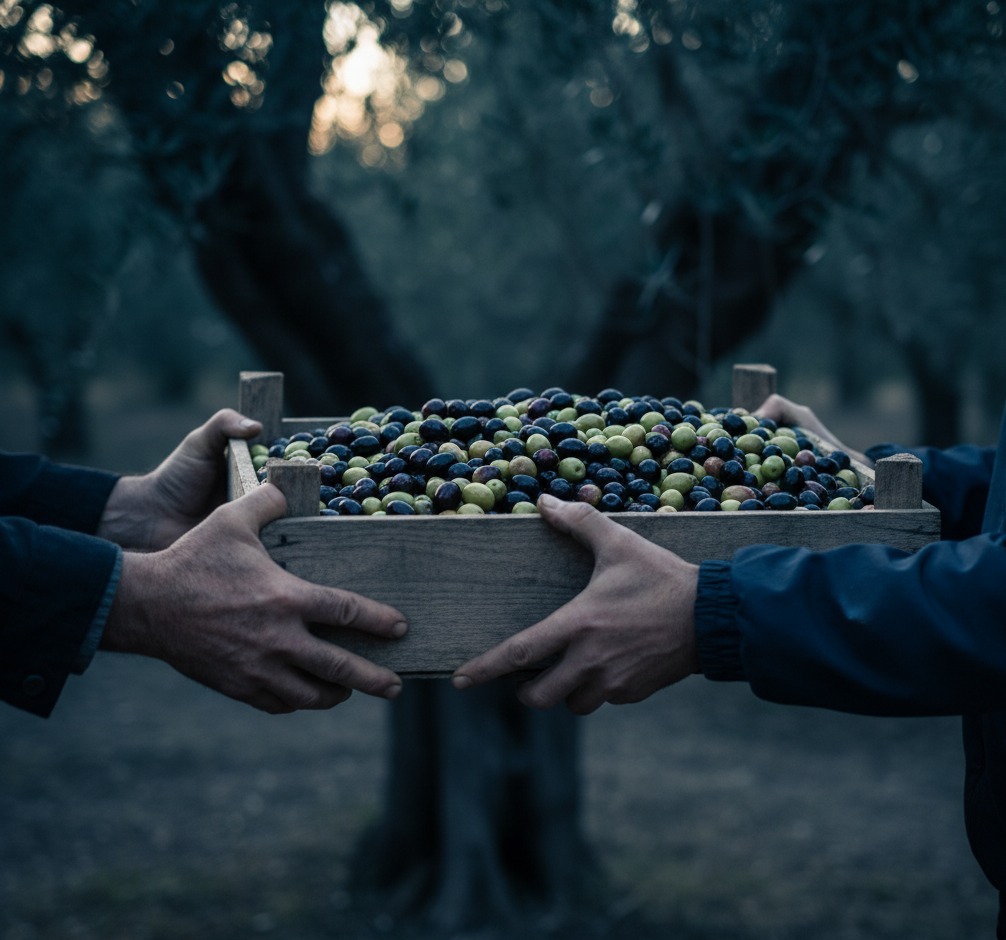
Our commitment to care, to early harvest, to purity, this is not modern invention. It is continuation.
Because just as Illyrians asked their trees to carry life and legacy, we ask ours: to speak of land, time, and truth in every drop.